


While the Department of War (DoW) relies on sophisticated, highly technical weapons systems and technology, the human weapons system remains its most important and most valuable asset. Optimizing human performance is therefore critical for the Department and national security. Human performance is the ability to respond effectively to heightened levels of physiological, psychological, as well as technical and tactical challenges, while utilizing occupational specificity to optimize voluntary and involuntary responses to anticipated and unanticipated stimuli.
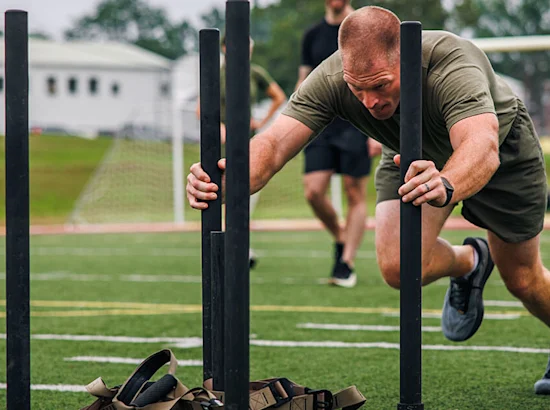
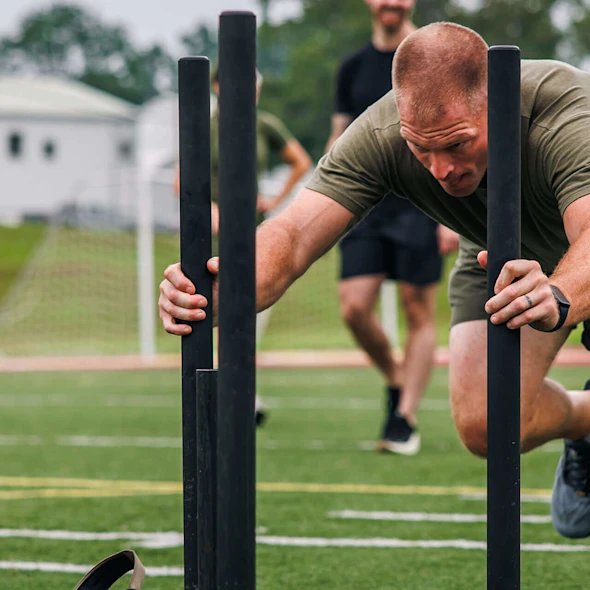
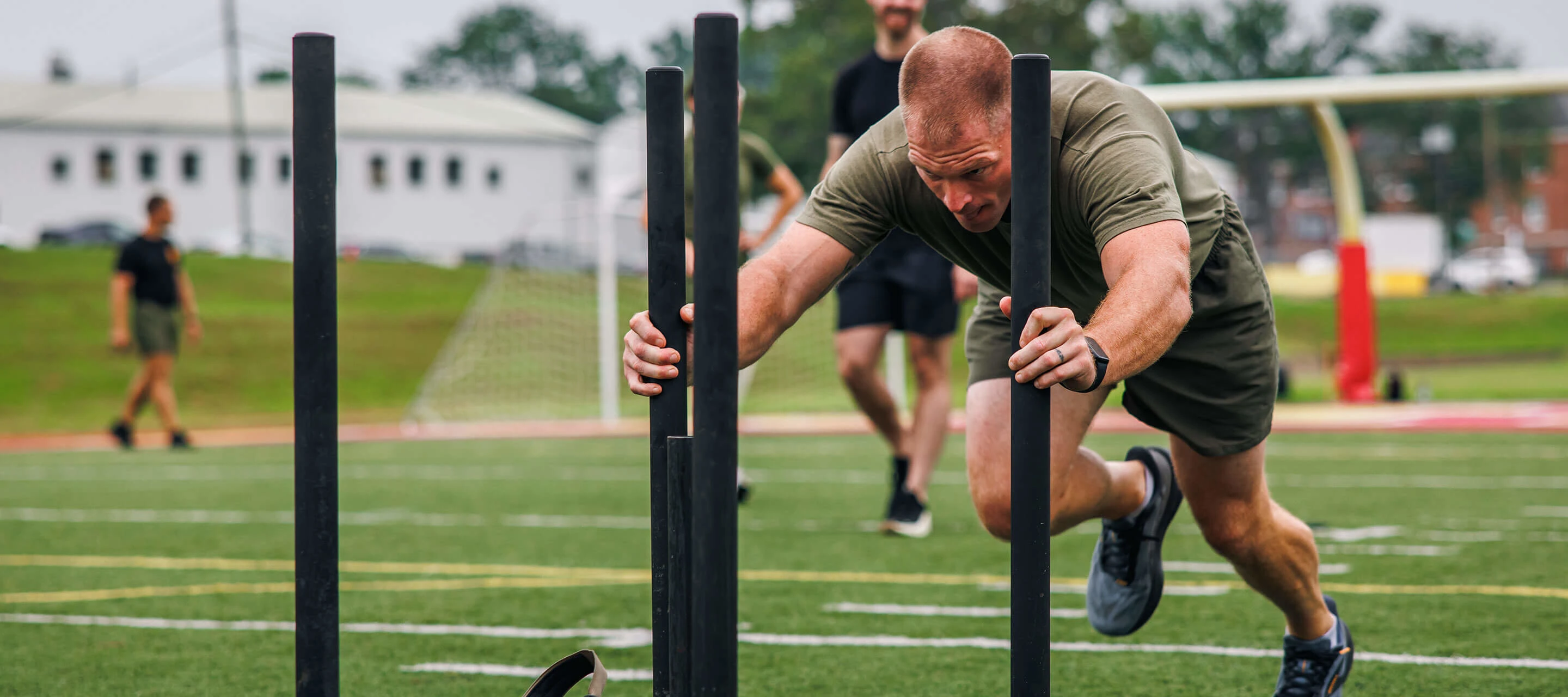
For many years, optimizing human performance primarily involved a physical-first approach, with emphasis mainly on the physical health of the warfighter. However, through the U.S. Special Operations Command’s Preservation of the Force and Family (POTFF) program, emphasis has shifted to a holistic, integrated approach to human performance. It focuses on readiness and resilience across the physical, psychological, spiritual, social-family and cognitive domains. Within this framework, the program offers warfighters strength and condition training, performance nutrition support, cognitive therapy, psychological treatment, and family services that allow them to not only deliver peak performance, but to sustain it and maintain resiliency.
In our work with the Defense Health Agency (DHA) and elsewhere within the DoW, we have seen how important this shift is, and how the continued evolution of human performance is serving the Special Operations’ Forces mission in meaningful and impactful ways.
Physical and Cognitive Performance: Where Training Meets Neuroscience
With over 500,000 documented traumatic brain injuries in DoW service members since 2000, more is known now than ever before about the relationship between neurological health and physical performance, in part due to extensive research. With traumatic brain injuries, GDIT uses methodologies and technology like magnetic resonance imaging, neuropsychological evaluations, blood-based biomarker detection methods, and novel technology such as the Computer Assisted Research Environment (CAREN), to determine readiness and confirm our tests are relevant to military tasks. As an example, with respect to the CAREN technology, we assess eye movements, cognitive load, electrical activity in the brain, an operator’s footfall data, sleep metrics and more, and track changes that could indicate an operator’s recovery and readiness to return to duty
We can then use this data to better understand how brain health impacts decision making generally, alongside long-term health and readiness. With data and observation, we also know more than ever about how the physical training and conditioning of warfighters enhances recovery, resiliency and injury prevention – and how those programs should evolve over time and vary by individual circumstance.
This convergence of data, smarter training, earlier detection of potential issues, and a recognition of the integrated cognitive and physical demands that warfighters face all enable us to better protect their overall health and wellbeing.
Psychological, Social-Family and Spiritual Wellbeing: The Human Elements of Readiness
Just as we increase our understanding of physical and cognitive performance, we are also better able to appreciate the human elements of readiness, which encompass a warfighter’s psychological, social-family and spiritual wellbeing.
As an example, proven from years of study and observation, we now know that emotional stability, a sense of purpose and social support can all deeply influence physical performance and longevity. High-stress positions place a strain on cognitive health and family dynamics. GDIT researchers on DHA’s 15-Year Longitudinal Traumatic Brain Injury: Caregiver and Family Member study found that years after a traumatic brain injury, caregivers experience feelings of loss, strain, emotional suppression, and caregiver-specific anxiety. Warfighter support programs that are informed by neuroscience, research, and coaching can help to address those symptoms and impact not only for the service member, but the caregiver and family. They can also strengthen identity, community, and purpose – all things that will dramatically impact the future of human performance beyond physical capability.
A Whole-Person Model Allows for Next-Generation Durability, Resilience and Lethality
With data and technology, we are evolving what we know about human performance. As we continue to collect information, and as we are able to do it in better ways with newer technology, subject matter experts, and creative innovation, we can bring about next-generation human performance optimization wherein readiness is personalized, integrated, and sustainable.
The future of human performance is about surveillance, durability, resilience, and long-term lethality. We envision the warfighter in a performance optimization model that mimics professional sports – with rapid access to a multidisciplinary team of specialists focused on overall health and performance. Today’s integrated, holistic approach moves us closer to that reality and provides the blueprint for unlocking human potential for mission success on an ever-changing battlefield.