


A Warning Measured in Seconds
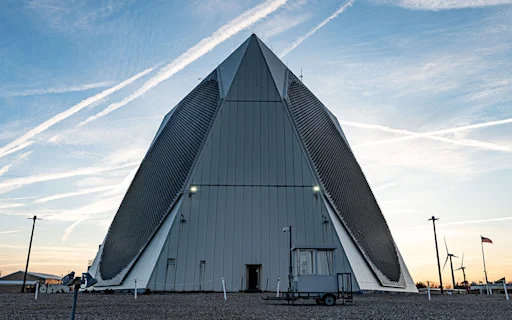
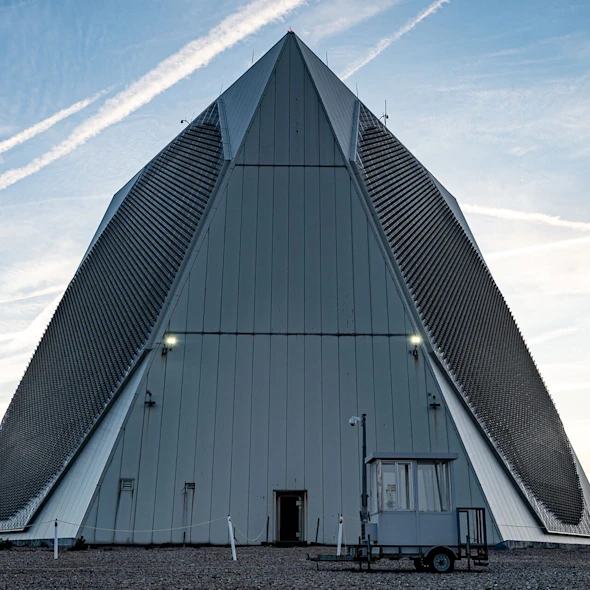
Above Earth, a space-based sensor detects a heat signature consistent with a missile launch. The seconds that follow demand a seamless chain of connected systems, from satellites and ground stations to correlation software and command displays, all working together to protect the homeland from incoming missiles. A warning that arrives 30 seconds late is nearly indistinguishable from no warning at all.
The space-enabled infrastructure behind that moment rarely crosses our minds until something breaks. And in a strategic warning, the most dangerous vulnerability is not always a new threat: it may be a legacy system that no longer receives the sustainment rigor required.
A Mission That Cannot Go Offline
Behind that moment sits a mission at the heart of national defense: Integrated Tactical Warning and Attack Assessment (ITW/AA). Its purpose is to deliver continuous alerting that fuses ground and space-based missile warning data with operational indications and warnings that ultimately notify our nation's senior leaders. The mission cannot go offline, and there is no window to update satellite-fed correlation algorithms or pause ground processing for maintenance.
Keeping a mission like this continuously online doesn't happen by chance. It rests on deep operational experience. Across more than 28 years in the military, I have worked with systems designed to never fail, where every outage draws scrutiny at the highest levels of Combatant Command leadership.
That hard-earned understanding highlights a vital truth: sustaining the mission is just as important as advancing it.
Sustaining the Mission: Resilience and Modernization Over Innovation Alone
Conversations about space power often revolve around what is new: proliferated constellations, advanced sensors, orbital architectures. However, strategic warning depends on the systems already in place. Legacy in the space mission doesn’t mean outdated; it means foundational.
Sustaining these systems requires modern methods that operate seamlessly across space and ground segments. Digital engineering and model based systems engineering (MBSE), for example, allow sustainers to maintain a living, authoritative representation of the end to end space to ground architecture while it continues running. In practice, this means sustainers can trace requirements, dependencies, and interfaces digitally, simulate changes before implementation, and keep the technical baseline synchronized even as updates occur continuously. This is an approach GDIT uses today to reduce technical debt and accelerate safe, low risk fielding for ITW/AA.
Sustainment also requires resilience. Many of these space systems were built in another era. Today, they face a rapidly evolving threat environment that spans global networks, satellite control links and high-value command systems. To combat it, we must treat cybersecurity as a continuous operational discipline. Through continuous vulnerability management, progress toward continuous Authority to Operate, automated patch validation, and model-driven impact analyses, we ensure every security enhancement is both rapid and non-disruptive to missile warning operations.
Modernization Without Disruption
Warning systems with decades of space operations experience must evolve without slowing mission tempo. The challenge is not whether to modernize, but how to do so invisibly: faster, safer and with absolute predictability.
GDIT meets that challenge through Lean-Agile planning, unified sustainment backlogs, automated testing and digital engineering workflows that create a single, prioritized flow of work. Modernization tasks, cybersecurity updates and testing activities move together rather than competing for attention. Space-derived warning algorithms update continuously and predictably, replacing disruptive cycles with a steady rhythm that increases cadence while reducing operational risk.
A quiet truth about this work: when we perform it well, it is completely invisible by design. The measure of success is an incredibly hard mission that looks uneventful, day after day.
The Measure of Success
The work of keeping watch will never generate headlines. There are no ribbon cuttings for a system that simply continues to perform, no applause for a warning that arrives on time because it always has. Yet that unbroken record is precisely the point. The missile warning that arrives in seconds, the architecture that holds against every threat, the modernization that happens without anyone noticing. Each is a quiet testament to the discipline behind the mission.
When the hardest missions look easy, we have done our job. That is the standard we uphold every day, and it is how GDIT keeps the nation ready to fight.